
"traditional coffee drying"
7000 article(s) found

How Coffee processing and fermentation affect the Flavor of Coffee introduction to traditional Coffee processing
Many coffee drinkers experience the bumps of the morning without thinking about it. But coffee is much more complicated than throwing crushed things into the machine and getting to work. In fact, coffee starts with a fruit called cherry, whose seeds are removed, dried and fermented to become coffee beans. Then bake them.

The difference between the two methods of tanning honey how to tell the difference between sunburn and sunburn is a traditional coffee.
Tanning is a traditional method for the initial processing of coffee beans, and at present, almost all coffee-growing countries such as Ethiopia and Yemen still use solarization to treat raw beans. Sun treatment will first identify sunken beans in the sink, that is, ripe or half-ripe beans are spread in the drying farm for natural drying. The specific time depends on the local climatic conditions, which usually takes two to four weeks.
90 + Taste differentiation W2, H2, N2 treatment traditional raw bean treatment
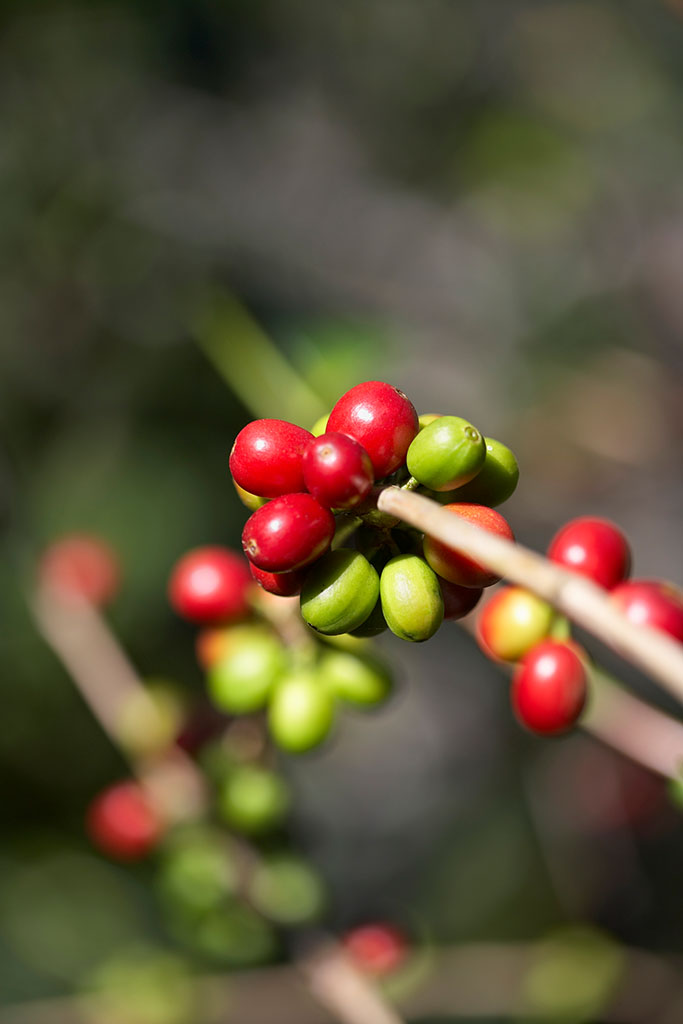
W2, H2, N2: it can be understood as the traditional way of processing raw beans, and 90 + also regards them as the distinction of taste. Ninety Plus thought that coffee itself is a kind of fruit, so he made his own exclusive treatment according to taste (W2), (H2), and (N2). When you understand traditional coffee processing, you will find that a small amount of adjustment can blur the distinction between them. For example, in

Typical aroma and flavor descriptions of traditional Rwandan and Burundian coffee cups
Rwanda and Burundi are small landlocked countries located in the heart of the Great Lakes region of Africa. Although their specific histories are different, they have something in common in terms of coffee origin and society. Both countries are small countries with problems in history, but the boutique coffee they produce is very good, and it is very interesting that both of them have high average growth altitude and excellent coffee soil.

What are the treatment methods of raw coffee beans? which is better, capsule coffee machine or traditional coffee machine?
Natural washing is very common in Brazil. The natural washing method is very similar to the water washing method, except that the natural washing method uses a high-pressure washing machine to remove the mucous membrane of the coffee surface, thus skipping the fermentation process. Several raw coffee processing companies in Brazil and Colombia have patented this method and have become local natural water system processing monopolies. this

Yemeni Coffee Bean Story Yemen Coffee Bean Trade introduction what is the tradition of Yemeni coffee
Professional coffee knowledge exchange more coffee bean information please pay attention to the coffee workshop (Wechat official account cafe_style) the coffee trade in Yemen is more complicated. Exporters do not buy directly from farmers, but through a network of middlemen. Local buyers store sun-dried coffee berries (dried cherry) in underground caves (caverns). Most of the coffee actually exported

Drying method of Brazilian Coffee Bean by Mechanical drying
At present, the drying method is the simplest and traditional set of coffee processing methods, which should be paid attention to. Drying the fruit on a cement floor is the cheapest, simplest and most traditional way to process coffee beans. When processing, the harvested fruit should be spread on the cement floor, brick floor or straw mat. Ideally in the sun, and at regular intervals
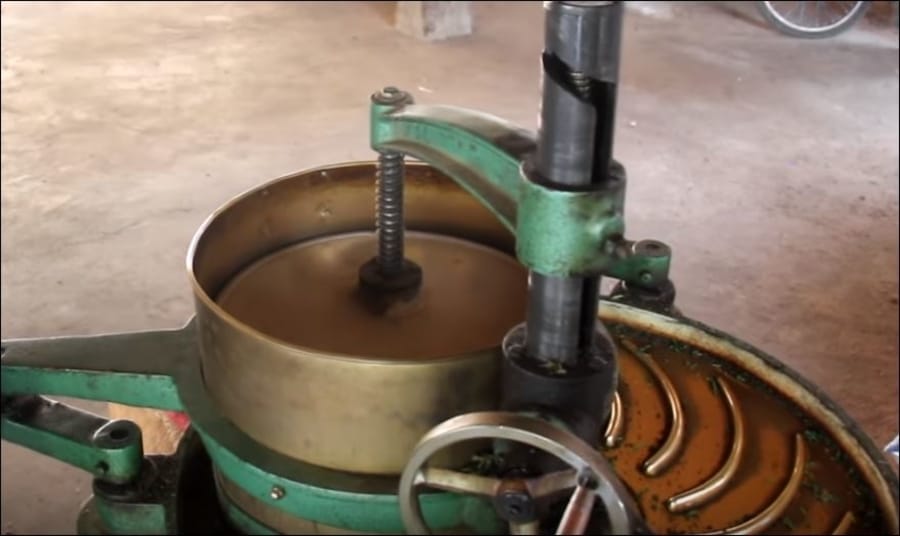
Comparison of the differences between two traditional processing processes of black tea the difference in aroma and taste between CTC and traditional methods
Tea-making craft tea (tea trees) is grown in thousands of tea gardens and tea gardens around the world. Although tea is produced in dozens of countries, the five traditional tea producing regions are China, Japan, India, Sri Lanka (Ceylon) and Taiwan (Formosa). Like wine, plant varieties, soil types, altitude

Coffee brewing method: traditional Costa Rican coffee brewing method Chorreador de Cafe
The traditional Costa Rican coffee brewing method, Chorreador de Cafe, is actually very simple, which is to use a coffee brewer, put on a cloth coffee filter, and then brew it in a kettle and stop. Fresh air, pure water, good coffee and good friends its all Pura Vida! Chorreador: it's coffee brewed by Costa Ricans.

Traditional Kenyan coffee bean processing methods flavor Kenyan Kiambu coffee growers team story
Grower groups such as Ngewa-Komothai help quality-conscious small owners maintain quality and traceability standards while entering the international market

Flavor characteristics of Duncan Manor White Honey Coffee SCAP Limited Edition, owned by Pocket Kotowa, Panama
Professional barista exchange please follow the coffee workshop (Wechat official account cafe_style) name: Panama Poquet Duncan Manor White Honey SCAP Limited Edition (Panama Boquete Duncan Kotowa Reverva White Honey) Flavor description: floral, lime, honey, apple, sweet citrus, caramel, soft fruit notes, sweet and lingering finish. Kotowa flag

Panamanian Poquet Cotova Manor Solar Geisha Best Panamanian BOP bid for Coffee beans
Professional coffee knowledge exchange more coffee bean information please follow the coffee workshop (official Wechat account cafe_style) name: Panamanian Poquet Cotova Manor Sun Geisha (Panama Boquete Kotowa Geisha Natural) Flavor description: Jasmine, lime, grapefruit, tropical fruit ripe, comprehensive fresh fruit tea, sweet orange mixed with strawberry fine acidity, passion

Coffee bean treatment method traditional washing method
Water washing is the most popular treatment method at present, and most boutique coffee beans will choose water washing method. Washing coffee refining process: harvesting storage tank (removal of impurities and immature beans) pulp removal machine (removal of pulp and impurities) fermentation tank (removal of mucous membrane attached to endocarp) washing pool (selection of light and hard beans) sun drying field (or dryer) sheller (
New Coffee drying equipment and Technology invented by Yunnan Lingfeng Group
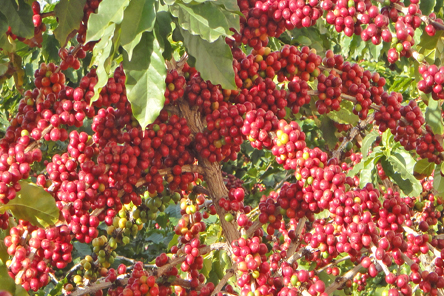
Xinhua Yunnan Channel, February 17 (Reporter Ji Zhe Peng) in Yunnan, the largest coffee producing area in China, the lack of traditional coffee drying space and the decline in quality caused by cloudy and rainy weather restrict the initial processing of coffee. A few days ago, Lingfeng Group of Lincang City, Yunnan Province independently developed back-pressure hot air penetration auxiliary drying coffee technology and equipment, which realized the factory-oriented coffee processing.

What are the coffee producing areas of the Great Lakes in Africa? Tradition of coffee in Rwanda, Tanzania
The main growing areas of the coffee-producing areas of Rwanda, Burundi and Uganda, Tanzania and the Democratic Republic of the Congo, which are located around the Great Lakes of Central Africa, appeared more frequently in the news cycle because of conflicts than coffee. But these countries are also long-term coffee producers, and in the past decade or so, these countries have become important for unique high-end boutique coffee.

Best Panamanian tradition Group No. 4 Los Lajones Manor Honey treatment bidding lot in 2013
Professional barista exchanges please follow the coffee workshop (Wechat official account cafe_style) 2013 Best of Panama tradition group fourth Los Lajones manor honey treated beans (competition batch) Best of Panama is the world's most eye-catching cup test competition, of course, the amazing Jade Manor sky-high price Geisha geisha coffee, with its unique flower aroma to attract global attention

What are the characteristics of coffee beans from Mocha Ishmi? What is mocha coffee?
Professional coffee knowledge exchange More coffee bean information Please pay attention to coffee workshop (Weixin Official Accounts cafe_style)[Traditional ancient method sun] Mocha Yi Shi Mary production area coffee beans characteristics? What are mocha beans? Some say it's the oldest tree, some say it's the growing area. In Haraazi, Yemen, the local market offers spices, tea, qat, coffee.

The planting history and long tradition of Nicaraguan coffee
Exchange of professional baristas please follow the coffee workshop (Wechat official account cafe_style) found that the use of grain in Abyssinia (Ethiopia) around 900 AD it took place in Yemen and Saudi Arabia, and Muslim pilgrims to Mecca were taken to India and Ceylon. The 17th century. The Dutch took him to Java and vegetable greenhouses in the Netherlands, in the early 18th century.
Coffee and bean honey treatment | Origin of honey treatment and half-sun treatment _ history story of honey treatment
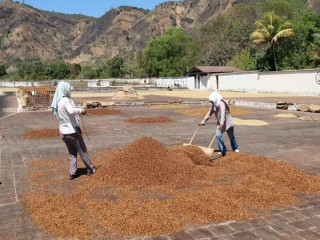
The honey treatment in the traditional treatment appears only after the sun and water washing. The earliest regions to use honey treatment are Costa Rica, El Salvador and other Central and South American countries. Its invention is inspired by the Brazilian half-sun method (peeling and sunbathing). The half-sun method in Brazil appeared because the raw bean treatment in Brazil was mainly used at that time.

The flavor of Ethiopian Sidamo coffee beans? Introduce the traditional wild G3 days in Sidamo coffee producing area.
Professional coffee knowledge exchange more coffee bean information please follow the coffee workshop (Wechat official account cafe_style) Ethiopia Sidama coffee bean flavor? This paper introduces the characteristics of traditional wild G3 sun beans in Sidamo coffee producing area. Ethiopia is the country where coffee was first discovered. Today, there are still many wild coffee harvested by farmers in the virgin forest. Ethiopia is a country where coffee is first discovered.